МОНГОЛ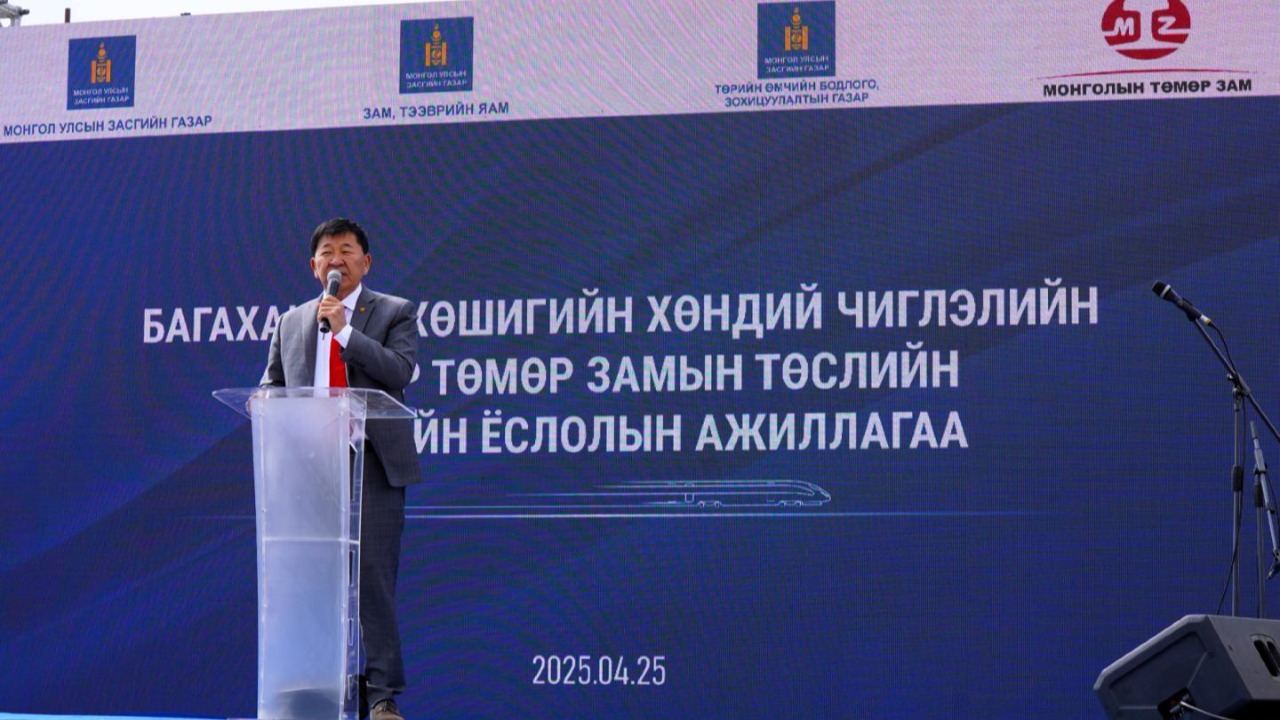
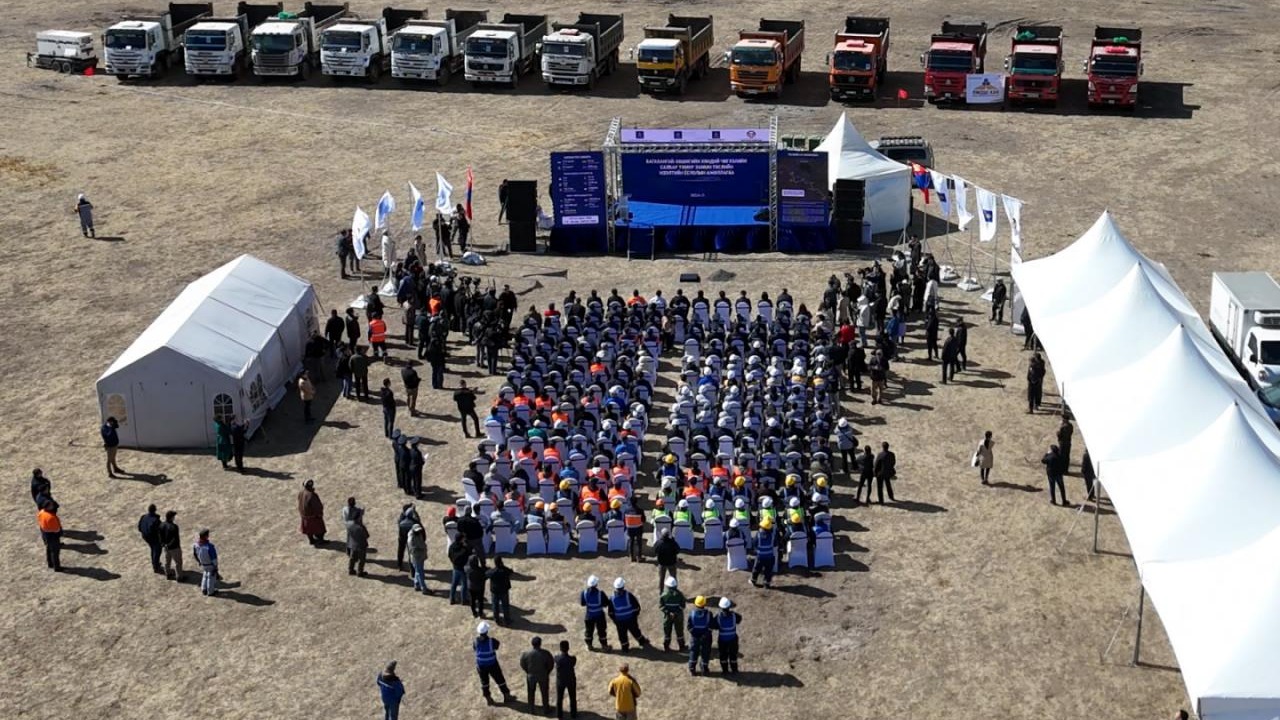
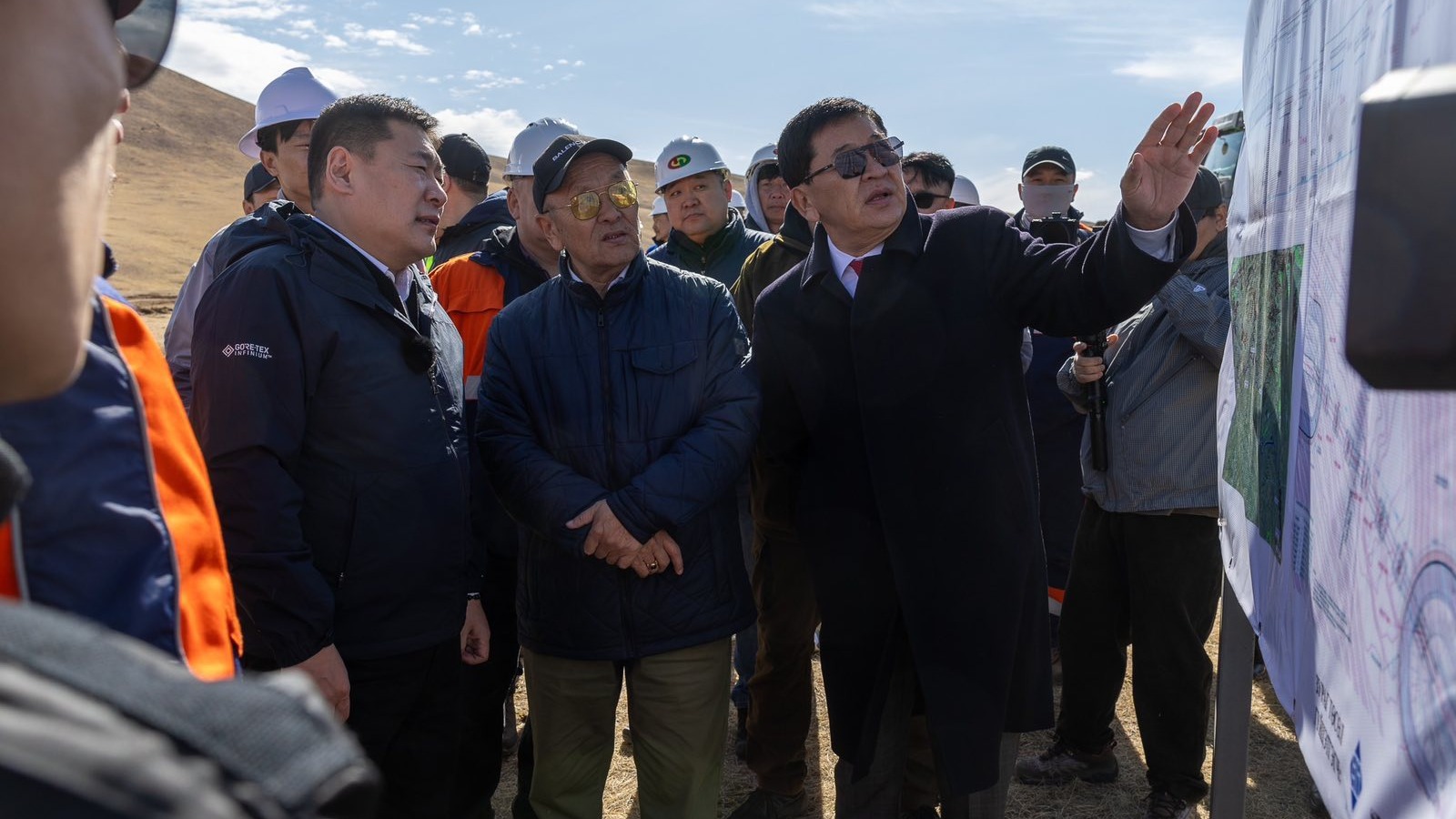
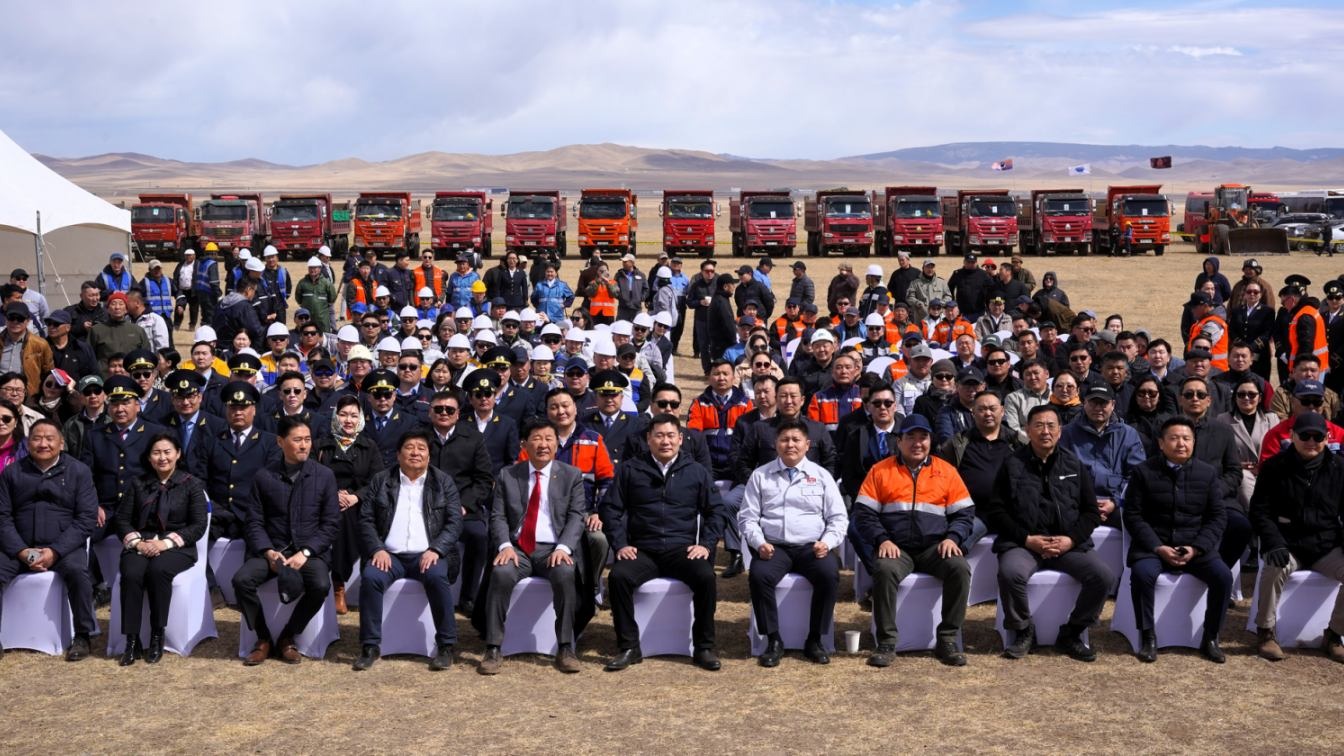
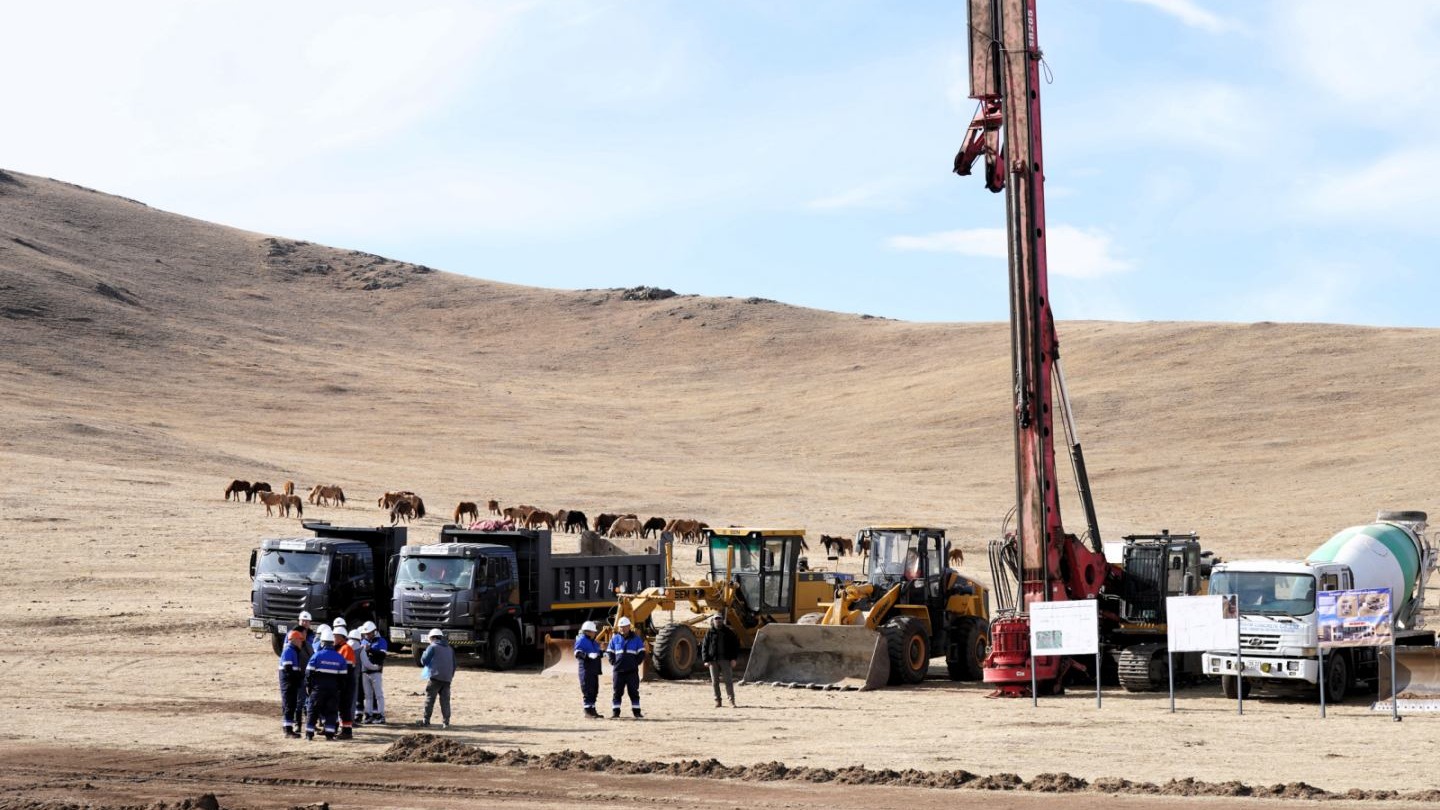
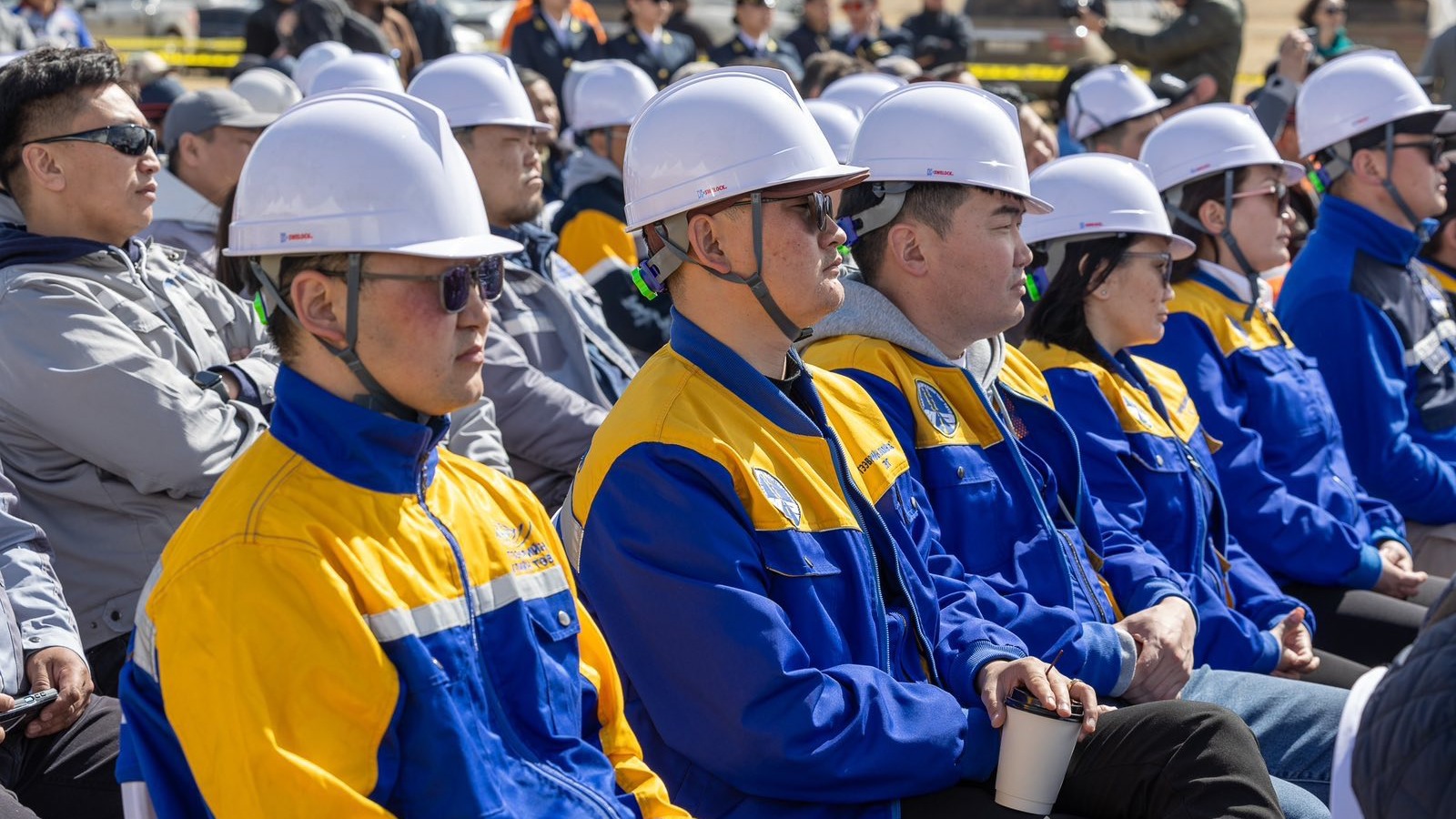
The inauguration ceremony of the Bagakhangai–Khoshig Valley branch railway, included in Mongolia’s long-term development strategy Vision-2050 and the 2024–2028 Government Action Plan, took place today (April 25, 2025) in Khoshig Valley.
Below is the full statement by B. Delgersaikhan, Minister of Road and Transport, delivered at the opening ceremony.
Distinguished Guests, Esteemed National Builders and Engineers:
On behalf of the Ministry of Road and Transport, I warmly welcome all of you and thank you for attending this important event.
We are actively implementing projects to expand Mongolia’s unified railway network, increase throughput capacity, modernize main lines connecting neighboring countries, link border checkpoints by rail, and construct new terminals. These projects are crucial for the nation’s social and economic development.
Under the 2024–2028 Government Action Plan, Vision-2050, and the “New Revival Policy,” Khoshig Valley is designated as a free economic zone, industrial hub, and transport-logistics center in the city’s master plan through 2030.
The technical and design work for the Bagakhangai–Khoshig Valley branch railway has been completed by Mongolian Railways JSC. The 151.5 km railway will run across Altanbulag and Sergelen soums of Töv Province and the Khan-Uul and Bagakhangai districts of Ulaanbaatar. It will be a 3rd-class line with a 25-ton axle load, featuring 12.2 million cubic meters of excavation, 8.3 million cubic meters of embankments, 115 culverts, and 5 reinforced concrete bridges totaling 2.5 km.
This major national construction project has a total estimated investment of 1.2 trillion MNT and will be implemented in two phases: Phase 1 covers 87.2 km from Bagakhangai station to the Khoshig Valley logistics center with an investment of 850.4 billion MNT, while Phase 2 extends 15.6 km from Khoshig Valley to Shuvuun Factory, costing 358.9 billion MNT.
Currently, cargo from Erlian checkpoint in China to Ulaanbaatar includes 39,300 containers and 19,000 closed wagons annually, handled at Amgalan, Ulaanbaatar, and Tolgoit transfer terminals.
By relocating these terminals to the Khoshig Valley transport-logistics center, 3.5–20 million tons of cargo can be moved outside city roads annually, reducing 316–1,800 large trucks per day in Ulaanbaatar.
Additionally, at level crossings where rail intersects roadways, daily closures averaging 144 minutes can be reduced by 21–120 minutes, significantly easing traffic congestion. Local freight traffic will also decrease by up to 50%, and the railway is expected to handle 3.5 million tons of cargo in the first year, increasing to 20 million tons annually.
This project is of critical social and economic importance and will be executed on schedule. On this inauguration day, I extend my best wishes for the successful completion of the project and look forward to meeting again in celebration.
I wish you all success in your work.
Thank you for your attention.