МОНГОЛ
Aligned with Mongolia’s long-term development strategy “Vision-2050” and the 2024–2028 Joint Government Action Plan, the Ministry of Road and Transport has intensified infrastructure and construction projects in the transport sector, moving forward long-stalled major programs.
The following highlights five key achievements in the railway sector:
- Launch of the Gashuunsukhait–Gantsmod Cross-Border Railway Construction
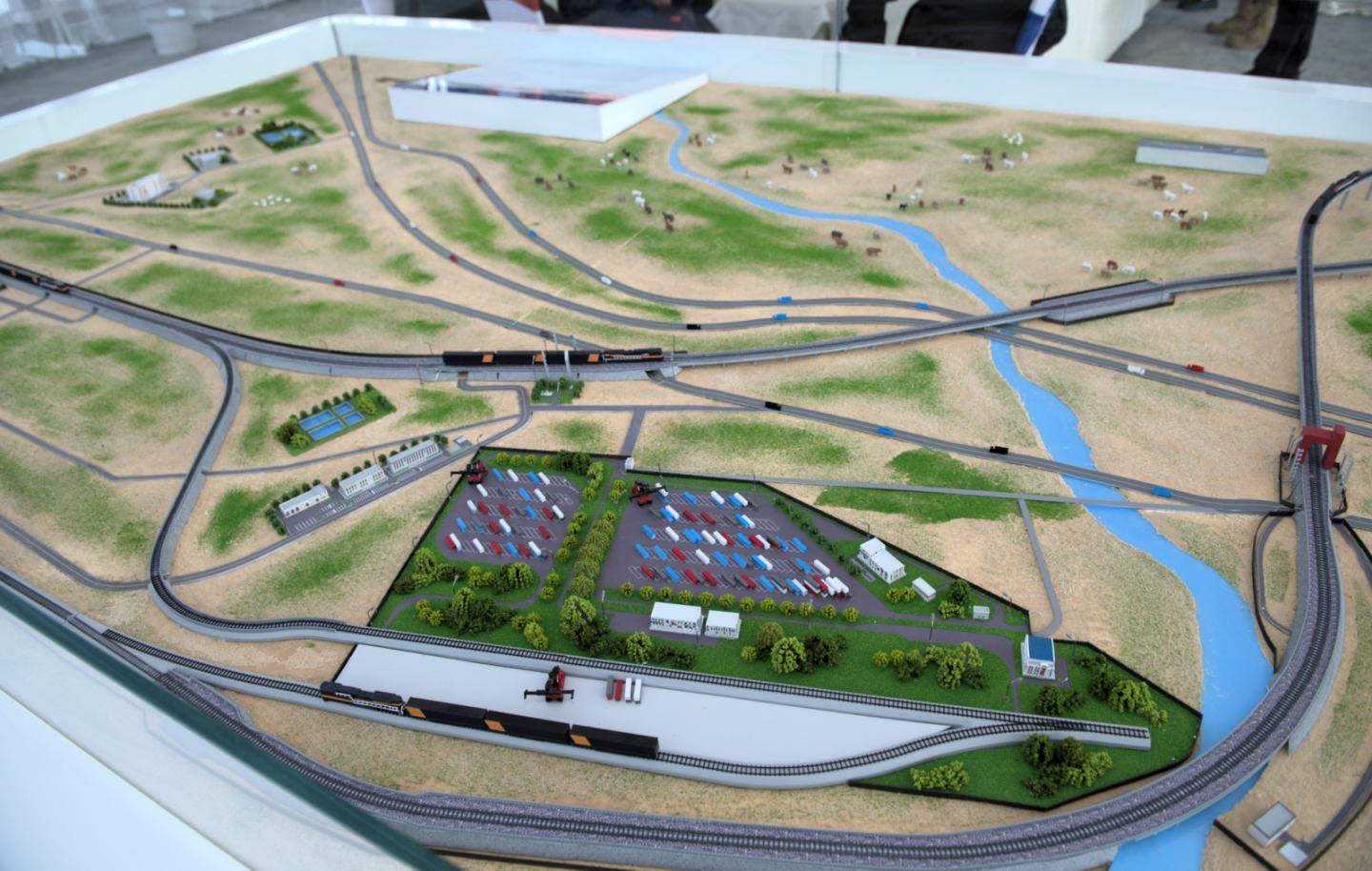
As part of Mongolia’s 14 mega projects under the 2024–2028 government action plan, cross-border rail links and freight transfer terminals were planned for the Gashuunsukhait–Gantsmod, Khangi–Mandal, and Shiveekhuren–Sekhe border checkpoints.
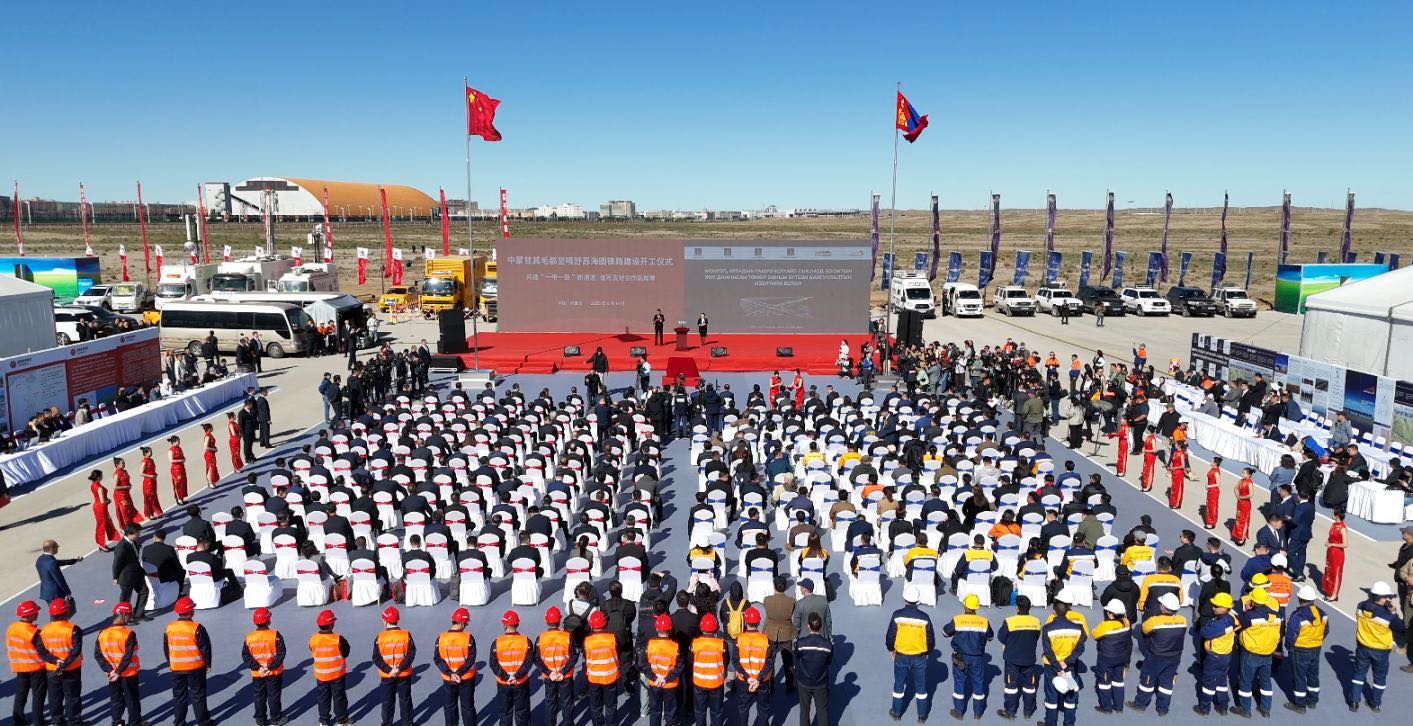
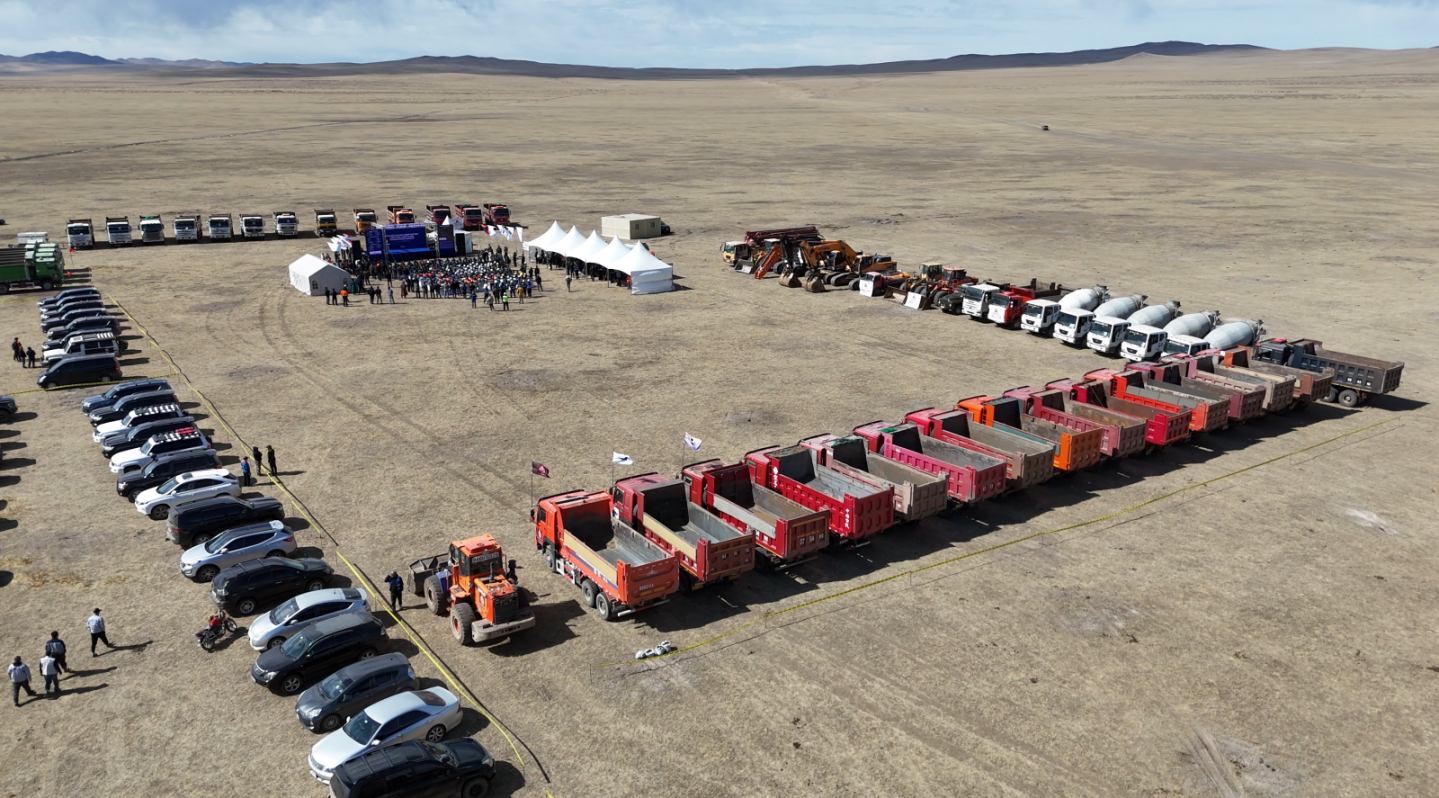
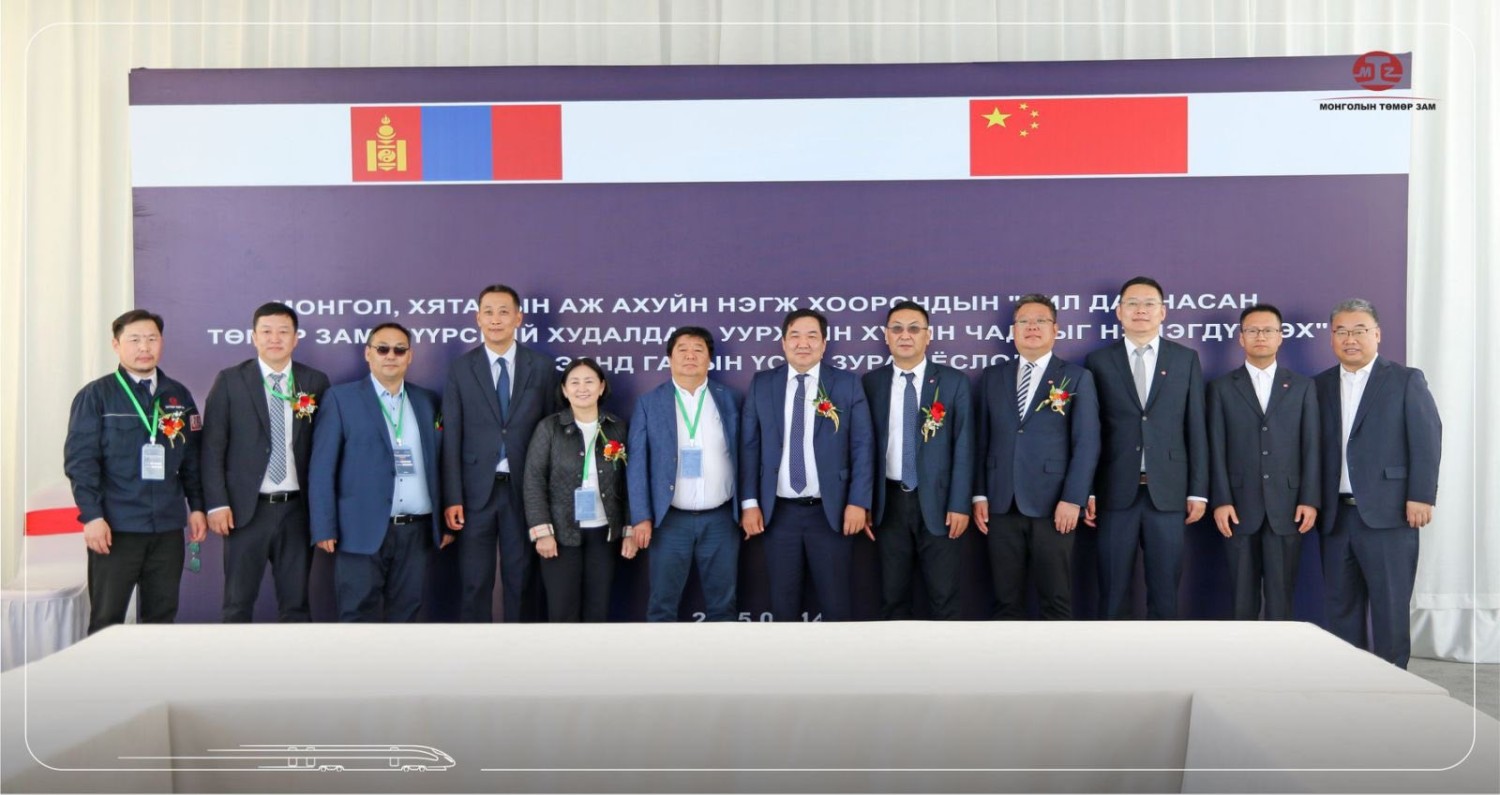
A bilateral agreement between Mongolia and China to construct the Gashuunsukhait–Gantsmod railway was signed on February 14, 2025, and construction officially began three months later.
This project is the second cross-border railway since the 1955 Zamyn-Uud–Erlian railway, connecting Mongolia and China, and comes 70 years after the original line. Once completed, the border’s handling capacity will double, boosting coal exports to 165 million tons per year and generating $1.5 billion annually. The project budget is 902 billion MNT, financed by Erdenes Tavantolgoi JSC, with construction scheduled for 2025–2027.
The railway is first-class, with a dual-gauge layout (broad gauge 8.7 km, standard gauge 10.8 km) and bridges spanning 1.46 km. Initially, China will complete this section before connecting other border points by rail.
- Construction of a Branch Railway between Bagakhangai and Khoshig Valley
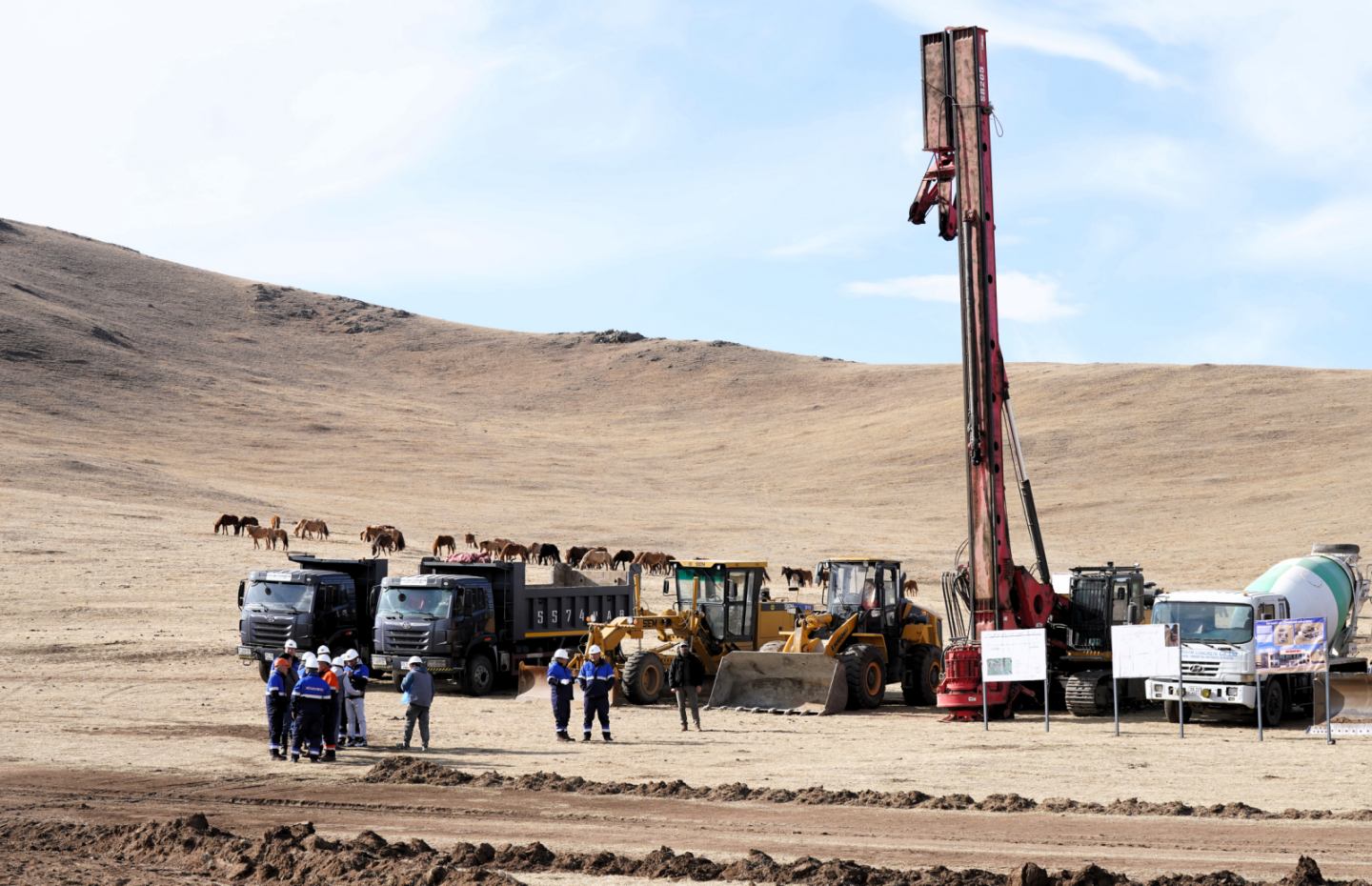
Under Government Resolution No. 21 dated January 14, 2025, a branch railway was approved from Bagakhangai to Khoshig Valley, with the groundbreaking held on April 25, 2025.
The 151.5 km railway, passing through Altanbulag and Sergelen soums and Ulaanbaatar districts, will be a 3rd-class line with a 25-ton axle load. Construction includes 12.2 million cubic meters of excavation, 8.3 million cubic meters of embankments, 115 culverts, and five reinforced concrete bridges totaling 2.5 km.
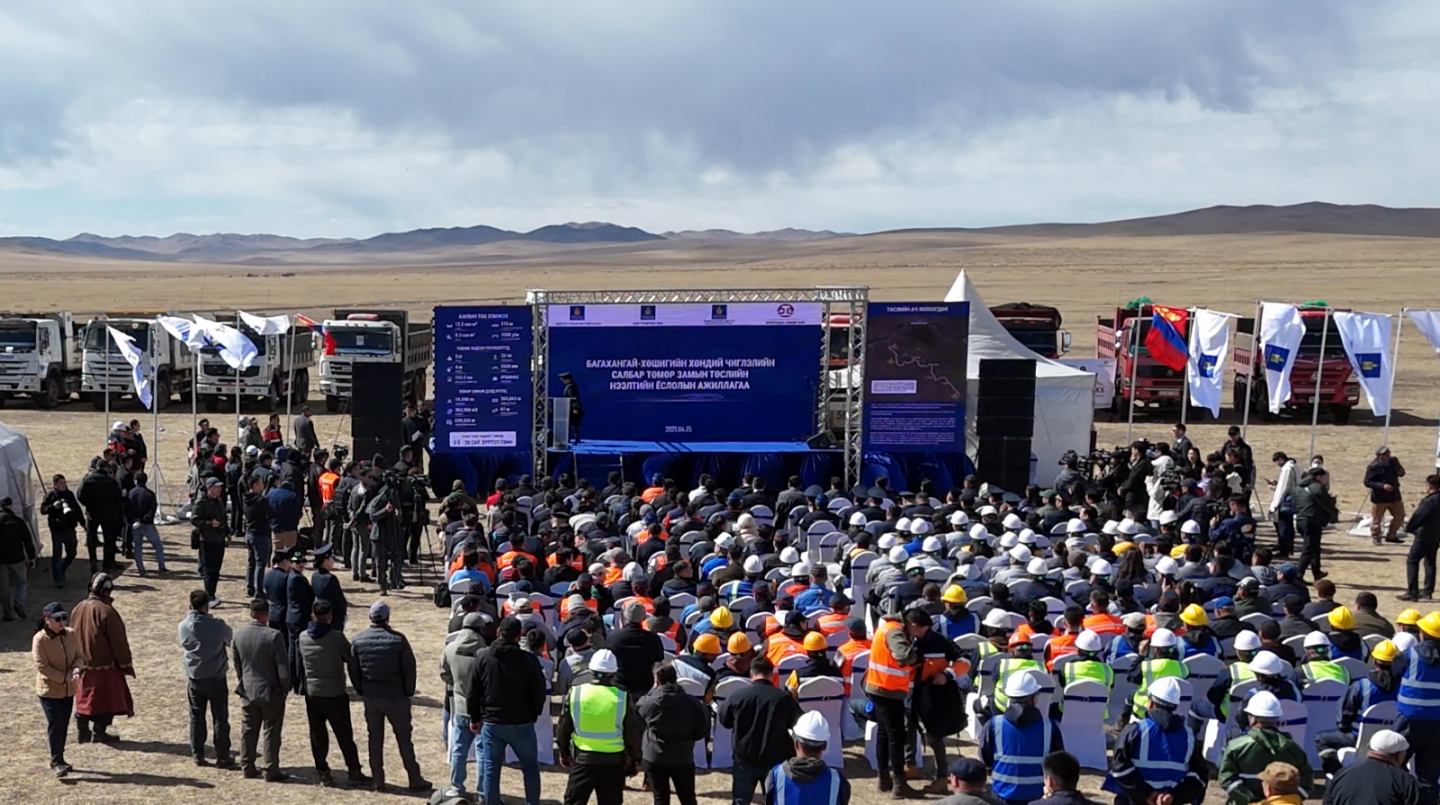
The total investment is 1.2 trillion MNT, implemented in two phases: Bagakhangai station to Khoshig Valley logistics center (87.2 km), then Khoshig Valley to Shuvuun Factory (15.6 km). Completion is expected within 2025.
This branch line will reduce congestion in Ulaanbaatar, diverting imported cargo from city streets. Approximately 316–1,800 large trucks per day could be removed from urban roads, significantly improving safety and reducing accidents from hazardous cargo. In addition, train crossings at level intersections currently disrupt up to 144 minutes of daily road traffic, which will be reduced by 21–120 minutes. The project will handle 3.5 million tons of cargo in the first year, rising to 20 million tons annually.
-
Long-Term Coal Transport Agreement with China Coking Coal Energy (Tianjin) Co., Ltd.
On May 14, 2025, Mongolian Railways JSC signed a 16-year contract with China Coking Coal Energy (Tianjin) Co., Ltd., covering the transport of 247 million tons of coal from Erdenes Tavantolgoi JSC mines via the Tavantolgoi–Gashuunsukhait railway and the Gashuunsukhait–Gantsmod border route until 2041.
- Establishment of the Railway Authority
With the new Railway Transport Law effective January 1, 2025, the government established the Railway Authority as an implementing agency.
The Authority will oversee railway traffic management, coordinate infrastructure and operators, ensure safety, train personnel, modernize rolling stock, expand transport networks, conduct research, apply technological innovations, promote international cooperation, improve service quality, enforce standards, and maintain a competitive market for state and private operators.
The Authority was created by merging the existing Railway Traffic Control Center into the Ministry of Road and Transport framework, avoiding additional budget burdens.
5. Consolidation of State-Owned Railway Companies
The government merged Tavantolgoi Railway LLC into Mongolian Railways JSC, eliminating structural redundancies and improving efficiency.
Based on evaluations of previous investments, results, and economic efficiency, the consolidation aims to optimize organizational structure, enhance productivity, and increase the effectiveness of state-owned railway enterprises.